Showing posts with label Technology. Show all posts

AI Shopping Agents Want Your Wallet, Should You Trust Them

You typed one line into a chat box — "reorder the coffee, but only if it is under twelve dollars and ships by Thursday" — and walked away. Twenty minutes later a confirmation email lands. Something bought something for you, with your card, while you made lunch. That small moment is the entire fight over agentic commerce in miniature: the software is ready to spend your money, and most of us are not yet ready to look away while it does.

TL;DR: Handing a credit card to AI shopping agents is where capability outran comfort. Adoption is set to leap from 19% to 46% of shoppers by the end of 2026, yet only about 10% will let an agent buy anything without checking first. Delegate the searching. Keep your hand on the spending.

Why the money question is different

Letting an assistant find a product is low stakes. If it surfaces the wrong pair of boots, you scroll past. Letting it complete the purchase is a different category of trust, because a mistake now costs real money, ships to your door, and drags a return through your week. That gap between "help me look" and "go ahead and buy" is the line almost every shopper is quietly drawing right now.


And the hesitation is not vague nerves. In a 2026 checkout.com study, 27% of consumers said they trust no organization at all to run a buying agent, and 24% said they will never delegate a purchase to one. Read those two numbers together and a picture forms: a large slice of the market is not waiting for a better price or a smoother screen. They are waiting to feel safe about the moment money leaves their account.

Money is also flowing in the other direction, and fast. AI-referred retail traffic converts far better than it used to, and product recommendations from an agent close sales at rates a plain search page cannot match. According to a 2026 McKinsey outlook, agentic commerce could move between three and five trillion dollars globally by 2030, and Adobe Analytics clocked a sharp year-over-year surge in AI-referred shopping traffic in early 2026. The tools are not a curiosity. They are becoming a checkout lane.

Task Speed
~6 min
to build a multi-store cart
Market Size
$3–5T
projected volume by 2030
Reach
300M
users on Amazon's Rufus
Growth
393%
YoY AI-referred traffic, Q1

The ~6 minute figure is the one worth sitting with. A person hunting the same deal across four stores burns half an hour and gives up cranky; an agent does the legwork before your coffee cools. That speed is exactly why delegation is tempting, and exactly why a wrong call can slip past you before you notice.

Not every agent shops the same way

"AI can shop for you" hides a wide spread in how these systems actually behave at the register. Some reason slowly and flag uncertainty; others move fast and rarely show their work. Using 2026 platform benchmarks compiled by commercetools, here is how the major assistants line up on the things that decide whether you hand over the card.

Dimension Claude ChatGPT Perplexity Gemini
Checkout conversion rate 16.8% 15.9% 10.5% 3.0%
Multi-store price hunt Strong Strong Moderate Weak
Shows its sources Yes Partial Yes Rarely
Tone on risky buys Cautious Eager Source-led Minimal
Oversight recommended High High Medium High
Best Suited For Cautious big-ticket buys Everyday high-volume orders Bargain hunting Quick Google-linked picks

The conversion spread tells you something the marketing never will: an agent that closes fewer sales is often the one being careful on your behalf, not the one failing. Match the tool to the job. A cautious reasoner for the expensive, irreversible buy; a fast one for restocking the pantry.

It also helps to picture how far you are actually letting go, because delegation is a ladder, not a switch. Most people are comfortable a rung or two up and get uneasy near the top.

Watch & suggest
50M shopping queries fielded daily
Approve each buy
14% higher average order value
Full autonomy
where most shoppers still hesitate

The delegation ladder above is the safe way to adopt these tools: start where the agent only proposes, move up only as it earns your confidence on small, cheap, reversible orders

Where this quietly goes wrong

Speed and reliability are not the same thing, and shopping agents are still shaky exactly when the task gets interesting. A model that lands a simple job on the first try can stumble badly once the request stacks up steps, comparisons, and edge cases. That is fine when you are watching. It is a problem when you have handed over the card and closed the tab.

  • Reliability drops off a cliff on hard tasks. In 2025–2026 agent benchmarks (WebMall and DeepShop), systems that succeed roughly 60% of the time on one attempt fall to about 25% across eight consecutive runs, and top agents finished under 65% of genuinely hard jobs like locating the cheapest option across several shops.
  • Fraud follows the money. Roughly 78% of financial institutions, in 2026 industry polling, expect AI-driven shopping to push fraud higher — automated buyers are a fresh, fast-moving target for scams and spoofed storefronts.
  • Confident wrong answers cost real cash here. When a chatbot invents a fact you catch it; when a buying agent picks the wrong variant, size, or seller, the mistake arrives in a box with your name on it.

There is a genuine grey area worth admitting: nobody has a clean answer on who eats the cost when an autonomous agent buys the wrong thing. Is it your mistake for delegating, the retailer's for a confusing listing, or the model maker's for a bad decision? Refund policies were written for humans clicking buttons, not software acting on a loose instruction, and that unsettled question is a real reason to keep purchases on a short leash for now.

Let the agent do the hunting, the comparing, and the boring tab-juggling — that is where it genuinely saves you time and often finds a better price. Keep the final tap on the buy button yours until the trust is earned in small, cheap orders you can afford to get wrong. The technology is ready to spend. You get to decide, purchase by purchase, whether it has actually earned the wallet.

Cross-Format File System Support: Missing Link Between Apple and Windows

In today’s digital world, seamless cross-platform compatibility is more critical than ever. Yet, one of the biggest roadblocks users face in 2025 is the lack of interoperability between Apple’s APFS/HFS file systems and Microsoft’s NTFS. This incompatibility forces users to rely on complex third-party solutions, often leading to inefficiencies, data loss risks, and additional costs.

Picture this: You’ve just edited a 4K video on your MacBook, saved it to an external drive, and now your Windows PC greets you with a “Disk Not Recognized” error. Cue the frustration. In 2025, the digital world thrives on collaboration—except when it comes to Apple’s APFS/HFS and Windows NTFS file systems. These digital “languages” refuse to talk to each other, forcing users into a labyrinth of workarounds. Why has this divide persisted, who’s paying the price, and what can we do about it? Let’s dissect the chaos.

The Great Divide: APFS/HFS vs NTFS

Apple’s APFS (2017) and HFS+ (1985) are optimized for macOS—speedy, encrypted, and great for metadata. Windows NTFS (1993) is a titan for large files but clunky on Mac. Here’s why they clash like oil and water:

  • Encryption Incompatibility: APFS uses Apple’s FileVault; NTFS relies on BitLocker. Neither plays nice outside their OS. Transferring encrypted files? Prepare for reformatting headaches.
  • Metadata Mismatch: APFS stores custom tags and thumbnails seamlessly. NTFS treats metadata like an afterthought. Transfer a file, and you’ll lose half its organizational soul.
  • Read-Only Limbo: macOS can read NTFS drives but can’t write to them natively. Want to edit that Word doc on your Mac? Better email it to yourself.
  • Performance Trade-Offs: APFS shines with SSDs (think instant file clones), while NTFS prioritizes stability for mechanical drives. Cross-platform? Neither flexes their strengths.

Fun fact: In 2023, 68% of hybrid users reported file corruption when switching systems (TechJury).

File System Face-Off (2025)

Feature

APFS (Apple)

NTFS (Windows)

HFS+ (Legacy Mac)

Encryption

FileVault (AES-256)

BitLocker (AES-256)

Limited

Metadata Support

Rich (tags, thumbnails)

Basic

Moderate

Cross-Platform Read

No (macOS only)

Yes (macOS read-only)

No

Ideal Use Case

SSDs, multimedia

Large files, backups

Older Macs


Apple should enable NTFS drive format support

Real-World Impact: Who’s Getting Burned?

This isn’t just a techie turf war—it’s burning workflows. Let’s zoom in on the casualties:

  • Creative Professionals: Video editors juggling Macs and PCs waste hours converting drives or using middleman apps. A 2024 Adobe survey found 42% missed deadlines due to file system hiccups.
  • Hybrid Office Workers: Imagine presenting to a Windows-using client only to find your Mac-formatted drive won’t open. Cue the awkward silence.
  • Gamers: NTFS is king for Windows game storage, but Mac gamers can’t access libraries without third-party tools like Paragon NTFS (which crashes more than a Mario Kart race).
  • Everyday Users: Backing up family photos? One wrong format choice, and years of memories become unreadable.

Pro tip: ExFAT is the “peacekeeper” format both OSes recognize—but it lacks encryption and corrupts files like a bored toddler with crayons.

Why Apple and Microsoft Must Work Together

Both tech giants have made strides in enhancing user experience, yet the lack of native cross-format support contradicts their push for seamless computing. Here’s why collaboration is necessary:

  • Unified User Experience – A universally compatible file system would eliminate the hassle of file conversions, external drives, and compatibility software.
  • Boosting Productivity – Content creators, developers, and business professionals frequently switch between macOS and Windows. A cross-device file system would drastically improve workflow efficiency.
  • Security Enhancements – Relying on third-party software introduces vulnerabilities. Native support would significantly enhance security by reducing the risk of data corruption or malicious exploits.
  • Encouraging Ecosystem Synergy – With increased collaboration between Apple and Microsoft (e.g., iCloud integration on Windows), a unified file system would be a natural step forward.

Bridging the Gap: Fixes, Hacks, and Hopes

Until Apple and Microsoft kiss and make up, here’s how to survive the cross-platform trenches:

  • Third-Party Saviors: Tools like Paragon NTFS (19.95)or∗Tuxera∗(19.95)orTuxera∗(31) let Macs read/write NTFS. But updates break compatibility, and licenses add up.
  • Cloud Middlemen: Upload files to Google Drive or Dropbox. Downsides? Slow transfers for large files and privacy risks.
  • ExFAT: Handle With Care: Format drives as ExFAT for dual OS access. Just pray you don’t hit the 4GB file size limit or sudden ejections.
  • Network Solutions: Use local NAS systems (Synology, QNAP) to host files. Requires tech savvy and a $300+ setup.

The elephant in the room: Why won’t Apple and Microsoft collaborate? Rumor has it, it’s part turf war, part profit play. NTFS licensing fees and Apple’s ecosystem lock-in are likely culprits.

Cost Comparison: Cross-Platform Solutions (2025)

Solution

Cost

Risk Level

Ease of Use

Paragon NTFS

$19.95/year

Medium (crashes)

Moderate

ExFAT Formatting

Free

High (corruption)

Easy

Cloud Storage

10–10–30/month

Medium (privacy)

Easy

NAS System

$300+ upfront

Low

Complex

The Bottom Line: Your Files Deserve Better

In a world where smart fridges sync with phones, it’s absurd that two tech giants can’t agree on a file handshake. Until they do, hybrid users will keep paying the price—in time, money, and sanity.

The ongoing fragmentation between Apple and Microsoft’s file systems presents a significant challenge for users in 2025. With increasing demand for cross-platform accessibility, it is high time for Apple and Microsoft to collaborate on a solution that benefits consumers and professionals alike.

By providing native support for each other’s file systems or developing a unified file format, they could revolutionize the way we store, share, and access data across multiple devices. The future of cross-device computing depends on breaking these barriers—will Apple and Microsoft finally step up to the challenge?

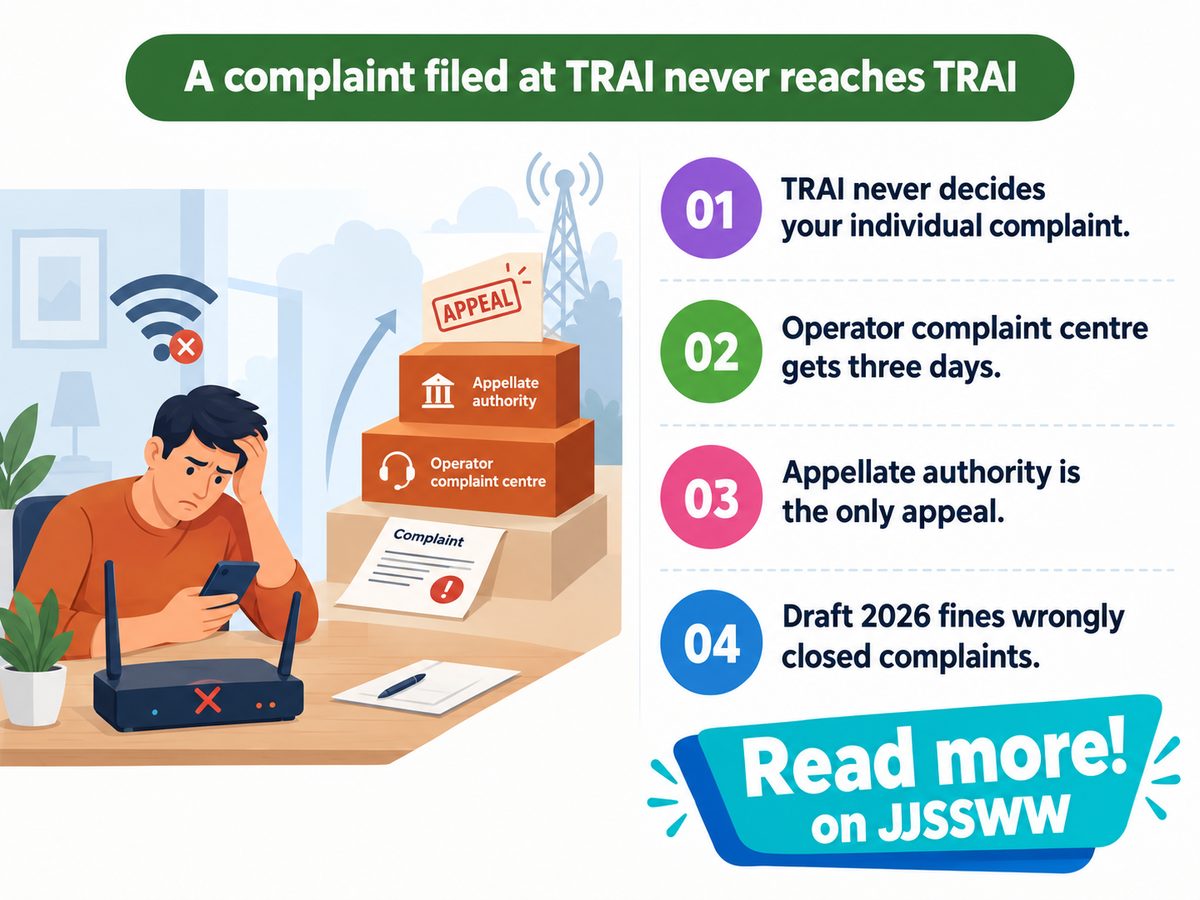
Frustration of Airtel Support: TRAI silent spectator

Imagine shelling out your hard-earned cash on a mobile recharge, only to realize within minutes that you clicked the wrong plan. “No big deal,” you think. “I’ll just contact support and fix it.”

Wrong.

What follows feels less like customer care and more like a bureaucratic maze designed to frustrate you until you give up. Welcome to the absurd world of Airtel’s customer service — where bots replace humans, your concerns echo into a black hole, and the regulatory bodies that should have your back, like TRAI, are asleep at the wheel.

Let’s dive into how Airtel, once a poster boy for telecom excellence in India, now seems more interested in dodging customer grievances than resolving them.

The Frustrating Reality of Airtel’s Support

Before we talk solutions, let’s rip the bandaid off and see exactly how bad the situation really is.

Automation Gone Wrong - Automation can be a blessing — but when misused, it becomes a curse.

  • Pre-programmed Bot Hell: The Airtel Thanks App forces users through meaningless, pre-selected options that often don’t even match your issue.

  • No Escalation Path: Try raising an issue beyond the chatbot? Good luck. The app circles you back like a bad theme park ride.

  • Human Contact is Nonexistent: Even after raising a complaint, you rarely interact with a real person unless you jump through a dozen hoops.

  • Frustration Maxed: It’s almost like Airtel wants you to abandon your complaint halfway through.

Honestly, you’d get a faster response tossing a message in a bottle into the sea.

Airtel’s worst Customer support: TRAI being spectator

No Real Human Interaction - Talking to a live agent? That’s a luxury now, not a standard.

  • Charged Support Calls: Airtel charges ₹0.50 per minute just to speak with someone.

  • No Priority for Urgent Issues: Whether it’s an accidental recharge or a billing error, all complaints fall into the same broken pipeline.

  • Scripted Responses: If you somehow reach an agent, they’re shackled to scripts with no real authority to act.

  • Delayed Resolution: Agents promise 10-day resolution times, but rarely, if ever, follow through.

In an era where startups solve queries over WhatsApp in minutes, Airtel’s system feels like it belongs in a museum exhibit titled “Customer Service Gone Wrong.”

The Cost of Raising a Complaint - Money talks — but Airtel’s listening skills are questionable.

  • Hidden Costs: Not only do you pay for the wrong recharge, but you also pay to complain about it.

  • No Refunds, No Mercy: Even immediate mistakes aren’t eligible for refunds once the recharge “benefits” are “credited.”

  • Penalty-Free Non-Resolution: Airtel faces no consequences for dragging its feet, while the customer loses time and money.

  • Emotional Toll: The entire experience is engineered to grind down your patience and hope.

What’s next? A subscription fee just to have the right to complain?

Empty Promises and No Follow-up - Silence is golden — unless it’s your telecom provider ignoring your grievance.

  • False Hope: Customer care tells you they’ll resolve it in 10 days. Spoiler alert: They won’t.

  • Zero Communication: No updates, no follow-ups — radio silence after your initial call or email.

  • Template Apologies: Social media escalations yield the same lifeless template responses that completely sidestep your real concerns.

  • No Recourse: Once Airtel deems your issue “closed,” reopening it is nearly impossible.

At this point, you wonder: Is it incompetence or just complete indifference?

Why TRAI’s Framework Is Failing Consumers

Telecom Regulatory Authority of India (TRAI) — supposed to be the referee — often feels like it’s left the match mid-game.

Lack of Accountability - There’s no real “or else” if companies like Airtel screw up.

  • No Mandatory Compensation: Customers bear losses without any mandatory penalty for the service provider.

  • Weak Oversight: TRAI guidelines on complaint handling are vague and rarely enforced.

  • Self-Policing Telecoms: Companies investigate their own failures. It’s like letting students grade their own exams.

  • Absence of Third-Party Audits: No independent body reviews customer grievance data for fairness or speed.

Imagine a football game where players can foul without getting carded. That’s Indian telecom regulation right now.

Ineffective Escalation Processes - Raise a complaint? Good luck finding the ladder to escalate it.

  • Opaque Appellate Systems: Even reaching the so-called “Appellate Authority” feels like writing letters to Hogwarts — you’re never sure it’ll arrive.

  • Automated Responses: Appeals are often answered by bots or generic templates instead of actual intervention.

  • No Escalation Map: Customers are left guessing the next steps if the first level fails.

  • Zero TAT Enforcement: No strict turnaround times mean companies can drag resolution for months.

In simpler words, it’s the blind leading the blind.

No Penalties for Poor Service - When no one gets punished, bad behavior thrives.

  • Failure without Consequences: Airtel’s neglect isn’t an anomaly — it’s the norm across providers.

  • No Financial Disincentives: TRAI doesn’t impose fines for unresolved complaints or SLA breaches.

  • No Consumer Relief Fund: There’s no restitution fund for affected customers.

  • Incentives for Inaction: Delaying refunds or fixes actually saves telecoms money — a sickening irony.

If you’re not mad yet, you should be.

Burden Completely on the Consumer - Customers are made to do all the heavy lifting.

  • Follow-up Hell: It’s on you to call, email, chase, and escalate at every step.

  • Proof Obsession: Companies demand screenshots, call logs, receipts, and sometimes even carrier pigeons.

  • Time Drain: Each complaint could easily consume hours, if not days, of your life.

  • Emotional Drain: Worse yet, it crushes your trust in the brand you once respected.

Let’s face it — in this game, the house always wins unless rules change.

What Should Change in Indian Telecom Customer Service - We’re tired of ranting — here’s what needs to be fixed, like, yesterday.

Implement Real Human Support Systems

First and foremost: bring back humans.

  • 24x7 Human Chat Options: Offer live agents alongside chatbots, not instead of.

  • Tiered Escalation: Ensure quick escalation to supervisors when first-level support fails.

  • No-Pay Support: Remove fees for customer support calls. Period.

  • Training and Empowerment: Train agents to resolve cases fully instead of passing the buck.

Remember: AI can assist, but it shouldn’t replace compassion.

Regulate Escalation Timeframes - We need rules with teeth.

  • Mandatory 72-Hour Resolution: Complex cases may need longer, but simple issues shouldn’t.

  • Visible Escalation Steps: Customers should know exactly how to move complaints up the chain.

  • Penalty-Backed Deadlines: Companies must face penalties for unresolved issues.

  • Consumer Helpline Audits: Independent bodies must audit escalation processes.

No more black holes for complaints.

Penalize Ignored Complaints - Let’s hit them where it hurts — their wallets.

  • Compensate Customers: Refunds plus compensation for every complaint delayed beyond SLA.

  • License Reviews: Repeated poor service must impact telecoms’ ability to renew licenses.

  • Public Naming and Shaming: Publish quarterly customer complaint resolution reports.

  • Incentives for Speedy Resolution: Reward providers who resolve issues fast.

After all, fear is a wonderful motivator.

Transparent Resolution Policies - You deserve better — and clearer — policies.

  • Clear Refund Policies: Not arbitrary, made-up excuses.

  • Full Disclosure: Customers should know their rights and escalation paths upfront.

  • Fair Appeals Process: Independent appellate review outside telecom companies.

  • Proactive Communication: Regular updates during the complaint journey.

Trust, once broken, is hard to rebuild — but not impossible.

My final thought: Time for a Customer-First Revolution

Indian telecom customers deserve better. Much better.

The Airtel saga you just read isn’t an isolated story — it’s the everyday reality for millions. The sad truth is, until regulatory bodies like TRAI crack down hard, telecoms have no real reason to change.

But change often starts with noise — loud, persistent noise.

Keep complaining. Keep escalating. Keep pushing for transparency and fairness.

Because one thing’s for sure — silence only benefits those in power.

Internet: The New Oil of Our Time

Once upon a time, oil was the driving force behind economies and industries worldwide. But today, there’s a new resource that has become just as crucial, if not more so—the internet. We can’t imagine our lives without it, from communication to education, from healthcare to commerce. The internet has infiltrated every corner of society, making it the backbone of the modern world.

Yet, unlike oil, the internet isn’t a limited natural resource. It’s a man-made creation, powered by data centers and maintained by telecom companies. And as the internet’s importance has skyrocketed, so has its commercialization. Telecom companies have seized control of this essential service, often charging exorbitant prices for access, leaving many without reliable or affordable connectivity. This isn’t just about profit—it’s about control.

With the internet becoming an indispensable part of daily life, many are calling for government intervention. Just as oil was regulated to protect consumers from unfair practices, the internet needs to be viewed as a public good—a resource so vital that its accessibility and affordability must be ensured by regulations. If we’re truly living in a digital age, it’s high time that the internet was made accessible to all, regardless of income or geography.

Internet Access: A Basic Right or a Privilege?

While the internet was once a luxury for a select few, it has now become as crucial as electricity and clean water. But unlike these basic utilities, internet access is largely controlled by telecom companies, and it’s not always affordable or evenly distributed.

  • Commercialization of Internet Services: Telecom companies have realized the growing dependence on the internet and have commodified it, setting high prices for broadband packages and mobile data plans. This commercialization has led to a situation where only those who can afford premium services get reliable, fast internet, while others are left behind.
  • Rural and Underserved Communities: In many rural or low-income areas, internet access is still a distant dream. With telecom companies focusing on profitable urban centers, vast regions remain underserved, exacerbating the digital divide. For people in these areas, the internet is still a privilege, not a right.
  • Barriers to Affordable Access: High pricing models mean that the cost of internet services is prohibitive for millions of people, both in developed and developing nations. While some urban dwellers enjoy high-speed internet, others are forced to ration their data use or settle for unreliable connections.
  • Economic and Social Disparities: The disparity in internet access creates a ripple effect, leading to economic and social inequalities. In an age where everything from job applications to educational resources is online, being without affordable internet means being excluded from essential services and opportunities.
Internet: The New Oil of Our Time

The Role of Governments in Ensuring Accessible Internet

Much like oil, the internet is no longer just a service for personal use—it’s a public good, critical to the functioning of society. But as telecom companies tighten their grip on internet services, it’s clear that government intervention is needed to protect consumers and ensure equitable access.

  • Need for Regulation: Without government regulations, telecom companies will continue to prioritize profit over accessibility. Just as utilities like electricity and water are regulated to ensure fair pricing and accessibility, the internet needs to be regulated as well. Governments must step in to cap prices, ensure fair competition, and prevent monopolies from controlling internet access.
  • Universal Access Policies: Some countries have begun treating the internet as a basic human right, implementing policies that guarantee access to all citizens. For example, Finland became the first country to declare broadband access a legal right, and other nations are following suit. Governments need to adopt similar policies to make internet access universal, not just a luxury for the wealthy.
  • Subsidies for Low-Income Households: One way governments can help is by providing subsidies or vouchers for low-income families to afford internet services. Just like subsidies for food or energy, internet subsidies can help ensure that everyone, regardless of income, can stay connected in an increasingly digital world.
  • Government vs. Private Providers: Some governments are exploring the idea of public internet infrastructure, building their own networks to bypass private telecom monopolies. Municipal broadband initiatives, like those in Chattanooga, Tennessee, have proven that government-run networks can offer faster and more affordable internet than private companies, often without the profit-driven motives.

The Future of Internet Accessibility

As the digital age continues to evolve, the demand for fast and affordable internet will only grow. Without proper regulations and policies, we run the risk of leaving millions of people in the digital dark, unable to participate fully in society. But with the right strategies in place, we can ensure that the internet is as accessible as oil once was.

  • Affordable Pricing Models: Governments and telecom companies can work together to create affordable pricing models that make high-speed internet available to all. Tiered pricing plans, where basic internet access is offered at a low cost while premium services come at a higher price, could help bridge the affordability gap.
  • Public Internet Initiatives: Some cities and governments have already begun offering free public Wi-Fi in public spaces like parks and libraries. Expanding these initiatives can make the internet more accessible, especially for people who can’t afford it at home. Public Wi-Fi could be the equivalent of public utilities, ensuring that internet access is available to everyone.
  • Rural Connectivity Solutions: Governments need to incentivize telecom companies to invest in rural and underserved areas. This could include tax breaks or subsidies for companies that expand their infrastructure to less profitable regions, ensuring that everyone, regardless of location, can benefit from reliable internet access.
  • 5G and Future Technologies: Emerging technologies like 5G have the potential to revolutionize internet accessibility, offering faster speeds and wider coverage. But without regulations in place, these advancements may only benefit urban centers and high-income areas. Governments must ensure that future technologies are rolled out equitably, benefiting everyone, not just those in wealthier regions.

My final thoughts: A Call for Internet Regulation and Fair Access

The internet is no longer a luxury or convenience—it’s a fundamental part of modern life, powering everything from education to healthcare, from communication to commerce. But as telecom companies tighten their grip on this essential service, the need for government intervention has never been clearer. Without proper regulations, we risk creating a world where only the wealthy have access to fast, reliable internet, while millions are left behind.

Just as governments once stepped in to regulate the oil industry to protect consumers and ensure fair pricing, they must now do the same for the internet. By implementing policies that make internet access universal, affordable, and fair, we can ensure that everyone, regardless of income or geography, can participate in the digital age.

The internet is the new oil, and it’s time for governments to treat it as such. Fair pricing, universal access, and robust regulations are the key to ensuring that the benefits of connectivity are available to all, not just the privileged few. If we’re truly living in the information age, it’s time to ensure that no one is left behind in the digital revolution.

Elevate Your SEO with Jjssww.com site

In the ever-competitive world of online marketing, everyone’s looking for that edge to outshine the competition. One of the most powerful tools in your SEO arsenal? Quality backlinks. But not just any backlinks—those that are relevant, authoritative, and capable of boosting your site’s credibility. That’s where G R Sites comes in, specifically through their site, JJSSWW.com. Let’s dive into why you should consider this platform to elevate your SEO game.

Why Quality Links Matter

Backlinks are like votes of confidence from one website to another. When high-quality sites link to your content, search engines take notice, pushing your site higher up the rankings. But why does this matter?

  • Boosts Search Rankings: The more quality links pointing to your site, the more Google and other search engines see your site as a credible source, which can significantly boost your rankings.

  • Increases Domain Authority: Quality backlinks enhance your site’s authority, which is a key factor in how search engines rank your website. It’s like having a respected peer vouch for your credibility.

  • Drives Targeted Traffic: When links come from relevant sites, they bring in visitors who are genuinely interested in what you have to offer, leading to better engagement and conversion rates.

  • Strengthens Online Presence: A robust backlink profile contributes to a strong online footprint, making your site more visible and accessible to potential customers.

What JJSSWW.com Offers

Now that we’ve established the importance of quality links, let’s talk about JJSSWW.com. This site is a treasure trove for anyone looking to enhance their SEO with premium content and links.

  • Diverse Categories: No matter your niche, JJSSWW.com has you covered. With links available across various categories, you can ensure your backlinks are as relevant as possible, which is crucial for effective SEO.

  • Premium Blog Posts: It’s not just about the links. JJSSWW.com also offers high-quality blog posts that are tailored to resonate with your audience, ensuring that the content is both engaging and SEO-friendly.

  • Homepage Links: Want maximum visibility? Secure a spot on the homepage with their exclusive homepage links, giving you prime exposure and driving substantial traffic to your site.

  • Global Reach: With a strong search engine indexing and a global audience, JJSSWW.com helps you tap into markets you might not have reached otherwise, amplifying your brand’s reach.

Elevate Your SEO with G R Sites

So, why choose G R Sites for your SEO needs? Simple—because they deliver results.

  • Trusted Source: G R Sites has built a reputation for quality and reliability, making them a go-to for businesses looking to boost their SEO.

  • Tailored Solutions: Whether you need niche-specific links or broadly relevant content, G R Sites offers tailored solutions that align perfectly with your SEO strategy.

  • Proven Results: Many businesses have experienced significant improvements in their SEO rankings thanks to G R Sites’ offerings, proving that investing in quality links pays off.

  • Competitive Edge: In today’s cutthroat digital landscape, staying ahead of the competition is crucial. With G R Sites, you gain a competitive edge through superior link-building strategies that others simply can’t match.

Conclusion

Investing in quality links and premium content is no longer optional in today’s SEO-driven world—it’s essential. G R Sites, through JJSSWW.com, offers exactly what you need to boost your site’s rankings, drive targeted traffic, and strengthen your online presence. Don’t leave your SEO to chance; explore what G R Sites has to offer and take your digital marketing efforts to the next level. 

Unveiling iPad's Missing Piece: Battery Health Indicator

In the world of Apple products, battery health indicators have become a cornerstone of user experience, providing valuable insights into the longevity and performance of devices. However, there's one notable absence in this lineup: the iPad. As users increasingly rely on iPads for productivity and entertainment, the lack of a battery health indicator poses a significant challenge. Let's delve into the implications of this omission and explore potential solutions for users seeking to monitor their iPad's battery health.

The Missing Piece:
Despite the widespread availability of battery health indicators across Apple's product range, the iPad remains conspicuously devoid of this essential feature. Here's why it matters:
  • Productivity Impacts: For users who depend on their iPads for day-to-day tasks, such as professionals, students, and creatives, knowing the battery health is crucial for planning and managing workflow efficiently.
  • Longevity Concerns: Without visibility into the battery's health, users are left in the dark regarding the overall lifespan of their iPads, potentially leading to premature device replacements or unexpected downtime.
  • Accuracy Challenges: While various third-party apps and workarounds exist, their reliability is questionable, often providing inaccurate or inconsistent battery health readings, leaving users frustrated and uncertain.
Unveiling the iPad's Missing Feature: Battery Health
Seeking Solutions:
As iPad users grapple with the absence of a built-in battery health indicator, the quest for reliable monitoring solutions intensifies. Here are some avenues worth exploring:
  • Official Update: With each iOS release, users eagerly anticipate enhancements and new features. It's high time for Apple to address this longstanding issue and introduce a dedicated battery health indicator for iPads, empowering users with actionable insights and peace of mind.
  • Third-Party Apps: While not ideal, some third-party apps claim to offer battery health monitoring for iPads. However, users must exercise caution and skepticism, as the accuracy and reliability of these apps may vary.
  • DIY Assessments: For the tech-savvy individuals, conducting manual assessments of battery health through diagnostic tools and tests may provide some degree of insight. However, this approach requires technical proficiency and may not be suitable for all users.
Hope on the Horizon:
With the eagerly anticipated WWDC 2024 on the horizon, there's a glimmer of hope for iPad users yearning for a battery health indicator. As Apple continues to innovate and refine its ecosystem, the voice of the community grows louder, advocating for this essential feature. Let's remain optimistic that iOS 17.5 or future updates will address this concern, ushering in a new era of transparency and empowerment for iPad users worldwide.

Conclusion:
In the ever-evolving landscape of technology, even giants like Apple are not immune to oversights and gaps in functionality. The absence of a battery health indicator in the iPad lineup underscores the importance of user feedback and continuous improvement. As we eagerly await potential updates and enhancements, let's remain vigilant in advocating for features that enhance productivity, longevity, and overall user experience. Together, we can shape the future of technology and ensure that every device, including the iPad, meets the needs and expectations of its users.

A Twist of Fate: My Apple Watch Series 7 Failure and Surprising Solution

In the ever-evolving realm of technology, where our gadgets are our trusted companions, an unexpected glitch can throw us into a tailspin. Such was my encounter with my Apple Watch Series 7 – a sudden failure of the health sensors catapulted me into a frustrating journey. Little did I know, this tale would take an unexpected turn, showcasing the power of perseverance and a touch of human kindness.

When Health Sensors Go Silent: A Fateful Day
  • The Sudden Silence of Health Sensors: It all began on what seemed like an ordinary day. I glanced at my Apple Watch Series 7, expecting to find my usual health metrics, but to my dismay, the health sensors had decided to take an unscheduled break. No heart rate, no oxygen levels, and the ECG app remained silent – a digital predicament that demanded immediate attention.
  • Desperate Call to Apple Support: Faced with the enigma of failed sensors and nil recordings, I reached out to the beacon of hope – Apple Support. The process kicked off with a standard set of troubleshooting steps, but as fate would have it, the issue persisted. Recognizing the severity, the support agent suggested a remote diagnostic session with senior Apple’s technical support team to uncover the root cause.
Remote Diagnostic Revelation: Hardware Sensor Failure
  • Virtual Probing of Apple Technical Team: In a virtual rendezvous with Apple's technical team, remote diagnostics became the spotlight. Through the magic of technology, they probed the intricate details of my health sensor failed Apple Watch Series 7. After moments of anticipation, the verdict was delivered – the hardware sensor had waved the white flag and needed replacement.
  • Warranty Woes: One Month Over and Almost Overlooked - Here's where the plot thickened. The bitter truth hit me – my warranty had expired just a month before the sensors decided to stage a rebellion. The initial response from the technical team was less than heartening – replacement seemed imminent, and the cost hovered close to that of a new device.
A Twist of Fate: My Apple Watch Series 7 Failure and Surprising Solution
A Plea for Mercy: When Customer Service Became Human
  • From Frustration to Devastation: Frustrated and on the brink of devastation, I faced the daunting prospect of a hefty replacement cost. However, with a glimmer of hope and a dash of desperation, I decided to make one last plea to the Apple support team. In a heartfelt conversation, I explained my predicament, highlighting the proximity of the failure to the warranty expiration.
  • The Surprising Exemption: A Twist in the Tale - To my surprise, the Apple technical team, often portrayed as the guardians of policy, listened empathetically. Acknowledging the unique circumstance of a mere one-month lapse, they agreed to cover the replacement as an exemption. A lifeline in the eleventh hour that left me both astonished and grateful.
  • Service Center Stopover: A Tale of Relief - A Visit to the Service Center- Relieved but still cautious, I made my way to the Apple authorized service center. The service process was a testament to efficiency and professionalism. The replacement device awaited, and the transition was seamless. My once-troubled Apple Watch Series 7 emerged, reborn, and ready for duty.
In the unpredictable landscape of technology, where glitches can disrupt our digital equilibrium, my journey with the Apple Watch Series 7 was a rollercoaster of frustration, desperation, and, ultimately, relief. The surprising exemption from Apple's support team showcased the human side of customer service, turning what seemed like an insurmountable woe into an unexpected triumph. 

So, the next time your gadget woes leave you feeling defeated, remember – sometimes, a heartfelt plea can unlock doors you never thought possible. Here's to the resilience of technology and the human touch that can transform a tech tragedy into a heartwarming tale.

Apple's 80% Battery Health feature: Missing for Mac Users

When Apple introduced the battery capping feature in their latest iOS 17.1 version, it was hailed as a breakthrough in battery management. This nifty feature limits your device's charging capacity to 80%, preventing faster degradation and significantly extending battery life. But here's the catch - it's still not available for Apple's highly popular MacBook lineup. In this blog post, we'll dive into why this feature is a must-have for MacBooks, especially the ones equipped with Apple's cutting-edge Silicone M1 processors.

iOS 17.1 and Battery Health
  • Battery Saver for iPhones: iOS 17.1 brings forth a groundbreaking feature: limiting iPhone charging to 80%. But what does it mean for the iPhone lovers? The feature is a strategic move to combat one of the biggest plights of smartphone users - rapid battery degradation.
  • Protecting Battery Longevity: Apple's decision to cap iPhone charging at 80% is a crucial move in the pursuit of prolonged battery health. This feature is designed to shield iPhones from the typical battery degradation that plagues smartphones.This latest feature could be the golden ticket to preserving your iPhone's battery and extending its lifespan. 
Apple's 80% Battery Health feature: Missing for Mac Users
MacBooks Left in the Dark
  • Battery Woes in MacBooks: MacBooks, particularly the MacBook Pro and MacBook Air, are among Apple's top-selling devices. However, Apple's introduction of this groundbreaking battery management feature has bypassed these devices.
  • A Question of Inclusion: With users relying more heavily on laptops for work, study, and play, extending MacBook battery life is more crucial than ever. Users need to ask, why exclude MacBooks from this important feature?
What's at Stake for MacBook Users
  • Dangers of Battery Degradation in MacBooks: For MacBook users, not having this feature could mean faster battery deterioration. It's time to consider the consequences.
  • Potential Longevity Boost: Including the charging limit feature in MacBooks could significantly improve the lifespan of these powerful machines. Rather than Macbook batteries getting dead sooner than later and potentially move the users to plan for an expensive upgrade. 
Apple's introduction of a battery management feature is a promising stride toward more sustainable devices. Yet, its exclusion from the MacBook lineup with this battery management feature raises questions. Extending this technology to MacBooks and the M1 processor devices will not only benefit users but also align Apple with the growing global emphasis on sustainability in technology. As we surge into an era of power-hungry applications, embracing this technology will give users the battery longevity they demand and, importantly, minimize electronic waste in the process. It's time for Apple to share this feature with all its devices, recognizing that inclusivity can be the most powerful game-changer.

Bringing Fairness to India: Lack of Apple Support for Right to Repair

Delayed Apple's right to repair in India

In a significant move, Apple announced its support for the right to repair devices, signaling a shift towards more open and consumer-friendly practices. However, despite this progressive step, countries like India still face challenges when it comes to Apple's device service and repair pricing. 

  • Need for Right to Repair:  The announcement made by Apple to support the right to repair was met with enthusiasm worldwide. This stance signifies a departure from the company's previous practices that restricted access to repairs and services. The right to repair movement advocates for giving consumers the freedom to repair their devices through official or third-party service providers. It aims to reduce electronic waste, promote sustainability, and empower consumers to make choices regarding their device repairs.
  • Apple's Service and Repair Pricing in India: Apple's service and repair pricing in India has long been a matter of concern for consumers. The charges for device repairs and services are often exorbitant compared to other regions and other mobile manufacturers. This pricing discrepancy has resulted in frustration and dissatisfaction among Indian consumers who feel they are being unfairly charged for essential repairs and services.
  • Importance of Right to Repair in India: Implementing the right to repair in India is crucial due to the country's large user base and growing demand for Apple products. It would ensure fair pricing, accessibility to authorized repair centers, and the freedom to choose third-party service providers. Right to repair empowers consumers by giving them control over their devices and the ability to make informed decisions regarding repairs and services.
  • Need for Right to Repair in India: India, with its diverse consumer base and unique challenges, necessitates the accelerated implementation of right to repair services. The availability of right to repair options would provide flexibility and convenience to Indian consumers, ensuring that their devices are always in optimal condition.
  • Apple's Focus on India: Apple's recent focus on India, demonstrated by the launch of stores in Mumbai and Delhi, signifies the company's recognition of India's importance as a market. With the expansion of its retail presence, there is an expectation that Apple will prioritize implementing right to repair services to align with the needs and aspirations of Indian consumers.
  • Status of Right to Repair in India: While Apple's support for the right to repair has gained momentum globally, the progress in India has been relatively slow. The lack of comprehensive legislation addressing the right to repair hinders consumers' ability to access affordable repair services. This situation is further exacerbated by Apple's pricing policies for device service and repairs in the country.
Conclusion
Apple's support for the right to repair is a commendable step towards fostering consumer empowerment and environmental sustainability. However, the current state of service and repair pricing in India highlights the need for Apple to expedite the implementation of right to repair services in the country. By prioritizing fair pricing and accessibility, Apple can strengthen its relationship with Indian consumers and align with their expectations. The right to repair is not only about fixing devices but about empowering consumers and creating a more sustainable future.

Challenges and need for Mail Porting process

Challenges and need for Mail Porting process
In today's digital age, email has become an essential part of our daily lives. It serves as a means of communication, a repository of important information, and a gateway to various online services. With the proliferation of email service providers, users often find themselves wanting to switch from one provider to another due to various reasons such as better features, improved security, or simply a change in preference. However, despite the advancements in technology and cross-platform support, porting mail IDs/mail addresses from one provider to another can be challenging, often resulting in mail history copy hiccups or relying on mail forwarding options. In this article, we will explore the challenges associated with mail porting and the impact it has on users. We will also discuss the importance of simple mail porting and potential solutions to address this issue.

  • Technology Advancements and Cross Platform Support: With the rapid advancements in technology and the availability of cross-platform support, users expect a seamless experience when it comes to switching from one email service provider to another. However, the reality is often different. Despite the availability of standardized email protocols such as IMAP (Internet Message Access Protocol) and POP3 (Post Office Protocol 3), which allow users to access their email messages from different devices and email clients, porting mail IDs/mail addresses can still be complex and cumbersome.
  • Mail History Copy Hiccups: One of the biggest challenges in mail porting is the transfer of mail history, including all the existing email messages, folders, labels, and settings, from one provider to another. Due to differences in the structure and organization of email data among different providers, the process of copying mail history can often result in hiccups, such as missing or misaligned messages, lost attachments, or broken links. This can lead to a loss of data, information, and context, which can be frustrating and inconvenient for users who rely on their email for personal or professional purposes.
  • Mail Forwarding Option: In the absence of a simple mail porting option, users often resort to mail forwarding as a workaround. However, mail forwarding has its limitations. It only allows for the forwarding of incoming messages to a new email address, but does not transfer the existing email messages, folders, labels, and settings. Moreover, mail forwarding may not be supported by all email service providers, and the forwarded messages may not be properly synced with the new provider, resulting in inconsistencies and discrepancies in the mail history.
Solutions for Simple Mail Porting
To address the challenges of mail porting and promote simple mail porting, several solutions can be considered:
  • Standardization of Mail Formats: Standardization of mail formats can simplify the process of transferring email messages, folders, labels, and settings from one provider to another. If all email service providers follow a common format for storing and organizing emails, it would be easier to transfer data seamlessly during the mail porting process. This would require industry-wide collaboration and agreement on a standardized format for emails, attachments, and other data associated with emails. Standardization would ensure that emails are preserved in their original format, including metadata and other relevant information, during the transfer process, reducing the risk of data loss or misalignment.
  • Development of Mail Porting Tools: The development of dedicated mail porting tools can streamline the process of transferring emails and other data from one provider to another. These tools could be designed to automatically transfer emails, folders, labels, and settings from one email service provider to another in a simple and efficient manner. Such tools could also include features to validate and verify the integrity of transferred data, ensuring that all emails and attachments are accurately copied without any loss or corruption. Mail porting tools could also provide options for users to customize the transfer process based on their preferences, allowing for a more personalized experience.
  • Improved Collaboration among Email Service Providers: Collaboration among email service providers can play a crucial role in simplifying the process of mail porting. Providers can work together to develop standardized processes and tools for transferring emails and other data between their platforms. This could include joint efforts to establish common data formats, develop APIs for seamless data transfer, and create best practices for mail porting. Improved collaboration among providers could also involve sharing of knowledge, expertise, and resources to collectively address the challenges of mail porting and find solutions that benefit all parties involved, including the users.
My View:
In conclusion, despite the advancements in technology and cross-platform support, mail porting remains a complex and challenging process. However, simple mail porting is crucial for enhancing user convenience, promoting user freedom, encouraging healthy competition among mail providers, and fostering innovation in the industry. To achieve simple mail porting, solutions such as standardization of mail formats, development of mail porting tools, improved collaboration among email service providers, and user education and support can be considered. These solutions would require industry-wide cooperation, innovation, and user-centric approach to ensure that users can easily switch email service providers without encountering significant challenges. By simplifying the mail porting process, users can have the freedom to choose the email service provider that best meets their needs, resulting in a positive user experience and improved email services overall. If you found this article helpful, you'll love my other articles on other topics. Head over to "G R Team Sites" to read more.

Why Facebook Needs to Integrate Ad Manager with WhatsApp

Why Facebook Needs to Integrate Ad Manager with WhatsApp

Due to the growing rivalry in digital marketing, enterprises are constantly seeking novel methods to connect with their desired demographic. While Facebook has been dominating this domain for an extended period, it has not entirely exploited the potential of WhatsApp. In this article, we will explore why Facebook needs to integrate its Ad manager with WhatsApp and start showing ads in the app.

Importance of WhatsApp for Facebook: It's no secret that WhatsApp is a widely used messaging application that has gained immense popularity all over the globe. 
  • What's more, this platform has an enormous user base, with a staggering 2 billion individuals making use of it. 
  • It is especially prevalent in developing economies, where it is frequently utilized as the main method of exchanging messages. 
  • Facebook recognized the importance of WhatsApp and acquired it in 2014 for $19 billion. However, advertising on WhatsApp has been a slow process, with Facebook hesitant to disrupt the user experience.
Potential for Advertising on WhatsApp: Despite Facebook's reluctance, there is a huge potential for advertising on WhatsApp. 
  • The application provides an excellent means of connecting with clients on an individualized and focused level, enabling businesses to interact with them on a personal basis. 
  • WhatsApp has initiated trials with advertisements on its Status attribute, which permits users to share videos and pictures with their contacts for a day. This presents a unique occasion for businesses to exhibit their merchandise or services in a visually engaging manner. 
Need for Integration: However, the current process of creating and managing ads on WhatsApp is cumbersome, as businesses have to manually upload their ads to the app. This is where Facebook's Ad manager comes in. By integrating Ad manager with WhatsApp, businesses would be able to create and manage their ads in one central location.
Facebook need to integrate its Ad manager with WhatsApp in order to fully capitalize on the app's potential for advertising. By doing so, businesses would be able to create and manage their ads more easily, while Facebook would gain valuable data to improve ad targeting. Hope Facebook brings the WhatsApp integration to its Ad Manager sooner or later to help businesses to explore the potential audience reach through the platform. For more such articles and insights, please feel free to check out the articles published in “G R Team Sites”

Microsoft 365: Moving Beyond Cloud Storage and Office Apps Subscription

Microsoft 365: Moving Beyond Cloud Storage
Microsoft 365 has been go-to option for most businesses and executive individuals, offering a suite of office applications and 1TB cloud storage options. However, as the market continues to grow, it's time for Microsoft 365 to consider moving beyond traditional services and expanding into new areas, such as entertainment and photo cloud storage

The importance of being ahead of the competition
In today's rapidly changing technology landscape, it's important for businesses to stay ahead of the competition and deliver a unique value proposition. Microsoft 365, as the market leader in office productivity and cloud storage, has the potential to expand into new areas and continue to set itself apart from the competition.

The demand for OTT entertainment applications is increasing 
Demand for streaming entertainment services like Netflix and Disney+ has exploded in recent years. Microsoft 365 has an opportunity to capitalize on this trend by clubbing its office suite of application subscription with one of the leading OTT Platform. This will not only add value to existing subscribers but will also attract new customers looking for a single place for both all their entertainment needs and business requirements. 

Demand for improved photo storage options
Besides entertainment, there is a growing demand for better photo storage options, with the growing popularity of photography and the rise of smartphones, people are taking more photos than ever before. Microsoft 365 can provide advanced photo storage options, such as AI-powered photo organization and advanced editing tools, to meet these users need. By offering office suite of applications, OTT entertainment applications and advanced photo storage options, Microsoft 365 can provide additional value to its customers while setting itself apart from the competition. Customers will no longer have to subscribe to multiple services to get multiple features they want, making them more convenient and cost-effective.

Potential to increase revenue
Expansion into new areas, such as entertainment and photo storage, is likely to boost Microsoft 365's revenue. With growing demand for these services, Microsoft 365 has a chance to win the cloud storage market. 

The future of Microsoft 365
In short, it's time for Microsoft 365 to go beyond traditional cloud storage and desktop office suite of application subscriptions, and expand into new areas, such as entertainment and photo storage. By offering a bundled service plan, Microsoft 365 can deliver additional value to customers, differentiate themselves from competitors, and increase revenue. The future is bright for Microsoft 365 and this move will be a step in the right direction for their continued growth and success. To read more such articles and information, please feel free to check out the “G R Team Sites”

Looking out Android box vs Apple TV options

Android box vs Apple TV options

I have been using TV that was few years old and was mostly dependent on the first-generation Chromecast device for my streaming requirements. However, I was exploring two key streaming products available in the market and wanted to list both pros & cons for those products. Following are my reasons about advantages and disadvantages for both products.
  • Apple 4K TV Box - Too expensive and high quality: The major advantage of Apple’s 4K TV box was the picture quality and its deep integration with iOS ecosystem & its devices. The disadvantage of the product was its cost, the price of the product was too expensive that we could offer couple of android boxes for a single Apple 4K TV.
  • Android Box – Affordable and lack of iOS native support: The major advantage for opting to the Android box was its cost, the price of the product is so affordable that would meet all the streaming requirements and might break even in a year with promised software updates for next few years. The little bit of disadvantage about the android box was the native support for iOS devices and me owning lot of iOS devices ranging from iPhone, iPads, and Macs it was a huge bummer. 
The above comparison of both streaming devices was based on my day to data requirements and experience in using first generation Chromecast for past several years. To read more about my opinion or suggestions, please feel free to check out the articles published in “G R Team Sites”

Few additional disappointments in AirPods Pro 2 launch

disappointments in AirPods Pro 2 launch

I have already detailed my disappointment on the launch of 2nd generation AirPods Pro with lack of Lossless audio format support and unavailability of any new health monitoring or tracking solutions. In addition to it, there were few other concerns regarding the launch of new AirPods Pro and how it has disappointed the enthusiasts with additional rumors. Following are my additional concerns regarding the 2nd generation AirPods Pro. 
  • No major re-design or colors compared to first generation: Since, the launch of the first generation 3 years back, there was no redesign or color option introduced on the product, while the competitors were launching the upgraded TWS headphones with new designs and exclusive color options. With transformation of iPhones, Macs, and Apple Watch, I thought Apple would launch newer version of AirPods Pro 2nd generation with exclusive new colors and slight re-design to differentiate it from the 1stgeneration AirPods Pro. To my disappointment, the second generation AirPods Pro had the same old design and the same color options. 
  • Lack of USB-C connectivity support: Another disappointment on the 2nd generation AirPods Pro was the retention of Apple’s lightning cable to charge the device and the rumors were expecting that Apple would transition to USB Type-C cable support due to regulatory restrictions. To everyone’s disappointment Apple has not made or attempted for transition to USB Type-C cable or completely wireless charging options. 
With the above disappointment from Apple against the rumors and expectations from the enthusiasts, it becomes clear that Apple wanted to delay their transition to new features or re-design to its product for a longer period. To read more such articles, please feel free to check out the sites listed in “G R Team Sites”

iPhone and iPad dependency on laptops


iPhone and iPad dependency on laptops
The evolution of mobile phones has been phenomenal and now there was marketing strategy to promote users to be dependent only on handheld devices and can ignore the dependency for laptops. However, there were many instances where you have dependency on laptops and all those marketing stuff of ignoring dependency on laptops are applicable only till the device makes an issue. Once there is a complicated issue on your handheld device or if you had accidentally dropped your handheld device, there arises an increased dependency on laptops and following are my concerns. 
  • Dependent on laptop to restoring backups: At times when iPhone acts weirdly or if iPhone battery quickly due to accidental drop, then iPhone needs to be plugged-in with laptop to restore to stable software version and ensure iOS files are not corrupted.
  • iPhone refuses to turn ON: If iPhone stops working due to accidental drops, then the device needs to be plugged-in with laptop to detect any issues or to back-up important files. 
Hope Apple addresses the above concerns in their upcoming software updates and help users to be independent of laptop. To get latest updates about my articles, please feel free to check out “G R Team Sites”

Lack of Chromecast support in OneDrive for iPhone users

Lack of Chromecast support in OneDrive for iPhone users

I have recently subscribed to Office 365 for their attractive bundled up features of 1TB storage for 6 family members and exclusive access to office suite of applications. However, when I had opted for OneDrive as my preferred online cloud storage platform in MacOS and iPhone, there was one important feature that was lacking it was none other than Chromecast support. Even though, the android version of OneDrive supports Chromecast, the iOS version or in the iPhone version of the OneDrive doesn’t support Chromecast. This was a major dealbreaker for iPhone users like me and was impacting my user experience. Following are my use case constraints 
  • Not able to stream Photos: I use OneDrive for backing up system files and to store my mobile photos. However, when I had to stream my family photos or videos to TV, I had to switch to alternate solution like Google Phots for viewing. 
  • Not able to stream documents: I use Mac as my primary system for my personal work and for official documents, however during important client presentation I feel constraint of streaming documents from my iPhone to TV's and often had to switch to alternative option like Google's Drive for streaming. 
Hope Microsoft addresses these concerns and introduces Chromecast support for OneDrive in iOS or iPhone and prevent users like me to switch back to Google as preferred online cloud platform. To read more articles like these, please feel free to check out the "G R Team Sites"